
Society for the Psychology of Aesthetics, Creativity, & the Arts
Research & Journal
Division 10 members conduct research that explores diverse aspects of creativity, aesthetics, and the arts from psychological and neuroscientific perspectives.
Through empirical studies and theoretical frameworks, we seek to understand how humans create, perceive, and respond to artistic works across various media and contexts. Our interdisciplinary community welcomes collaboration with researchers and practitioners from allied fields, including education, cultural studies, creative practice, and beyond.
The Official Journal of Division 10 of the American Psychological Association
Psychology of Aesthetics, Creativity, and the Arts
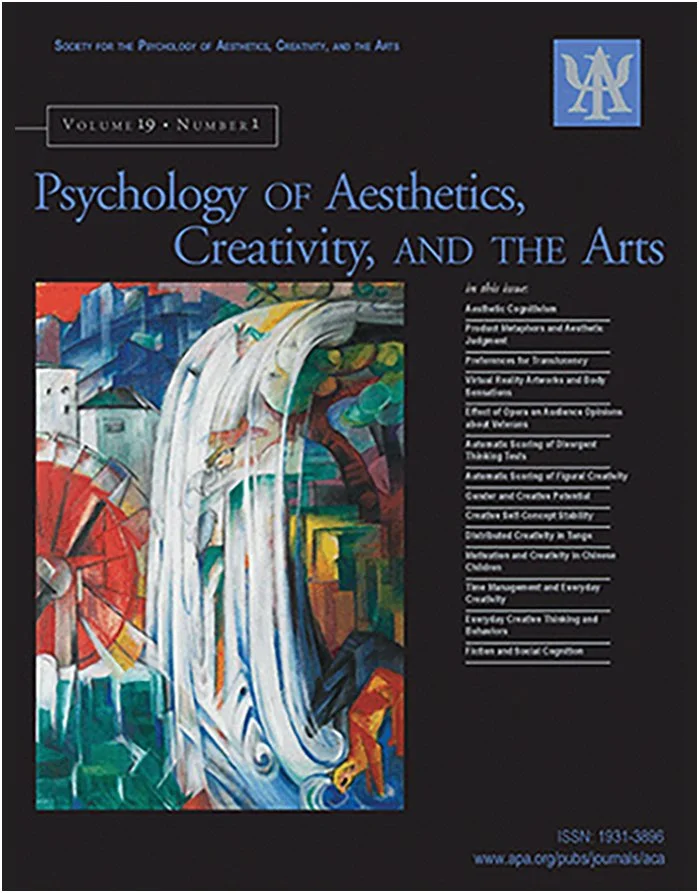
The official quarterly journal of APA Division 10 publishes original empirical research and research syntheses related to the psychology of aesthetics, creativity, and the arts. We welcome studies on arts production and appreciation, creative processes, and related topics across domains.
Publishing & Research Opportunities
Division 10 members conduct research across four primary areas, each exploring different facets of how humans create, respond to, and benefit from creative and artistic experiences.
Below, you'll find an overview of each domain along with relevant journals, professional organizations, and conferences to help you connect with your research community. Because these fields are highly interdisciplinary, we recommend exploring multiple domains to discover all relevant opportunities.



Aesthetics Research
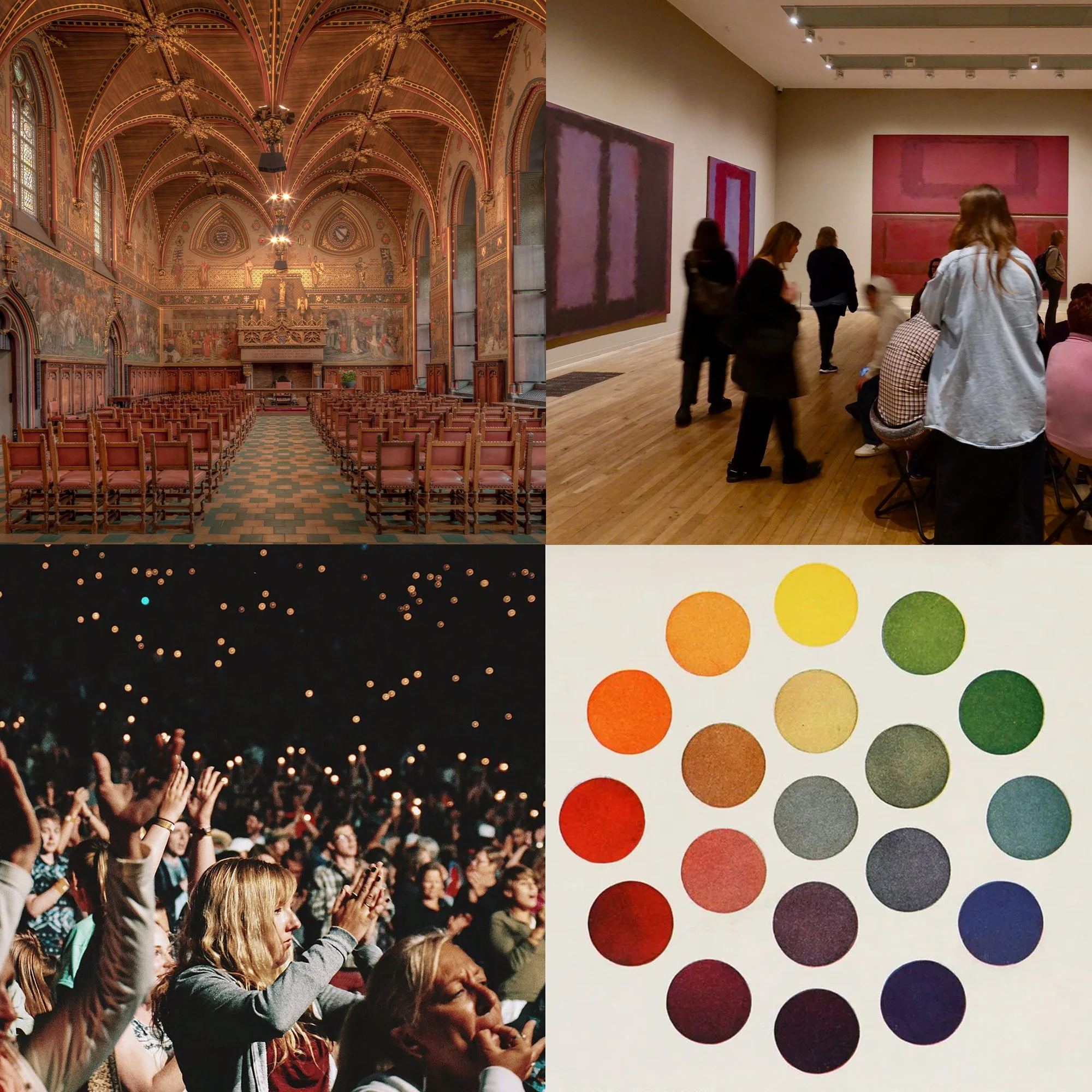
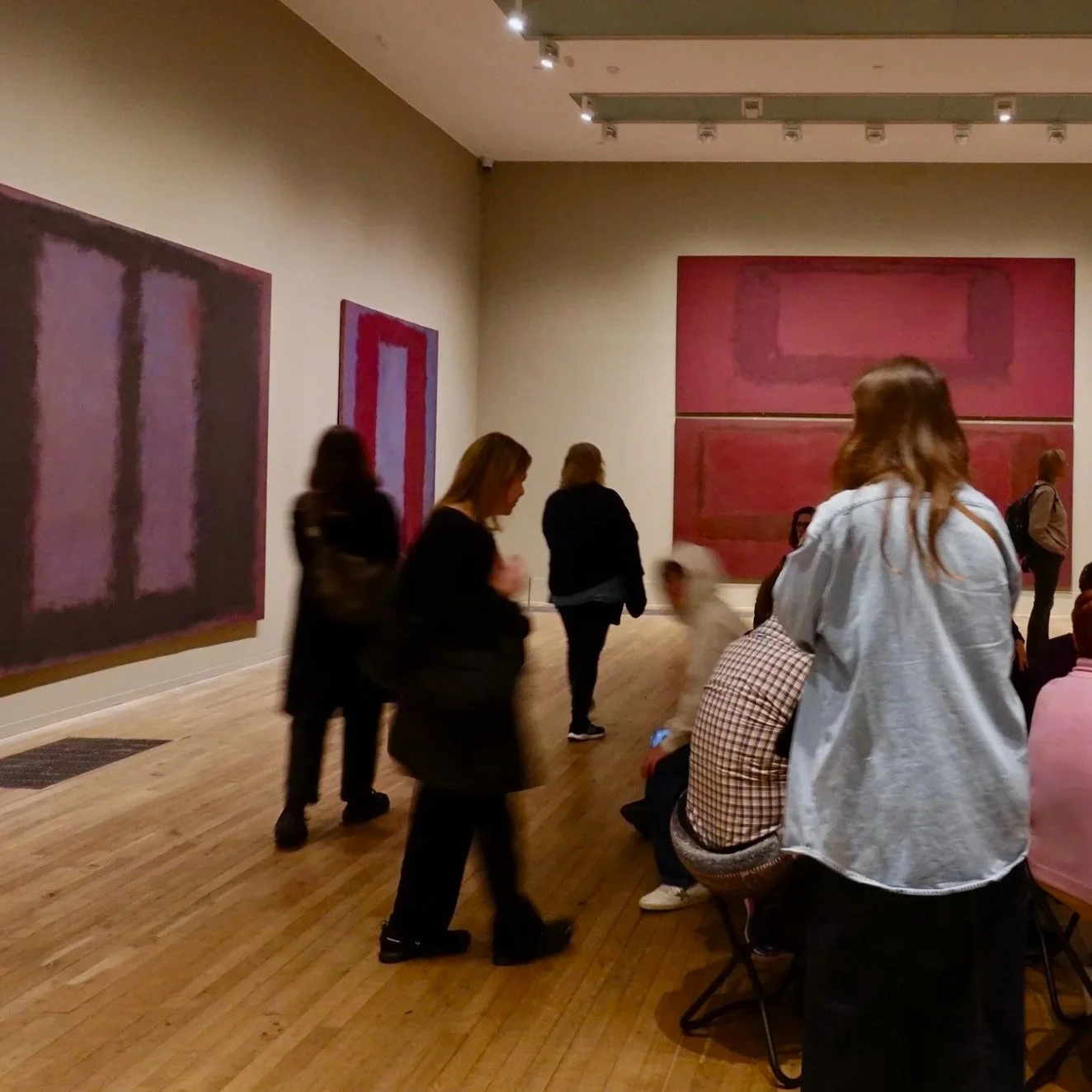
The psychology of aesthetics investigates how individuals interact with and respond to aesthetic experiences in various contexts. Research explores patterns of aesthetic preference, emotional responses to art and other objects, the influence of expertise and contextual information on aesthetic judgments, and the varied methodologies used to capture aesthetic experiences. Studies examine responses to diverse aesthetic encounters, including art-viewing behaviors, museum experiences, interactions with consumer products, and environmental design preferences. Neuroaesthetics examines the neural basis of aesthetic experience.
Creativity Research
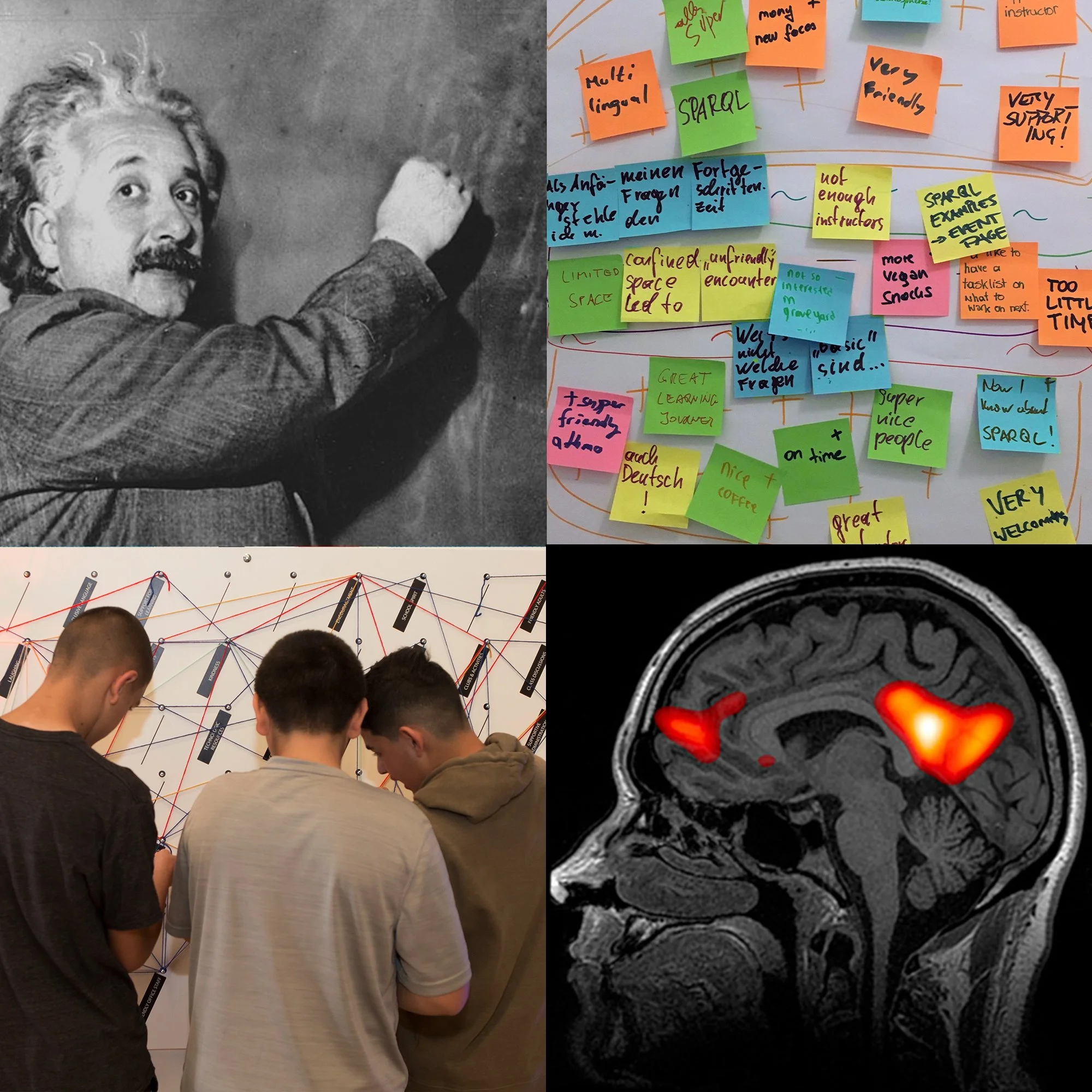
Creativity research investigates the cognitive, motivational, and environmental factors that foster creative thinking and innovation. Studies examine how individuals and groups produce novel and useful outcomes in specific social contexts, focusing on the creative person, process, environment, and product. This area addresses divergent thinking, problem-solving, and different levels of creativity from everyday solutions to domain-changing innovations, employing various measurement approaches, including psychometric tests and expert assessments. Neuroscience research examines how the brain produces creative thought.
Arts Research
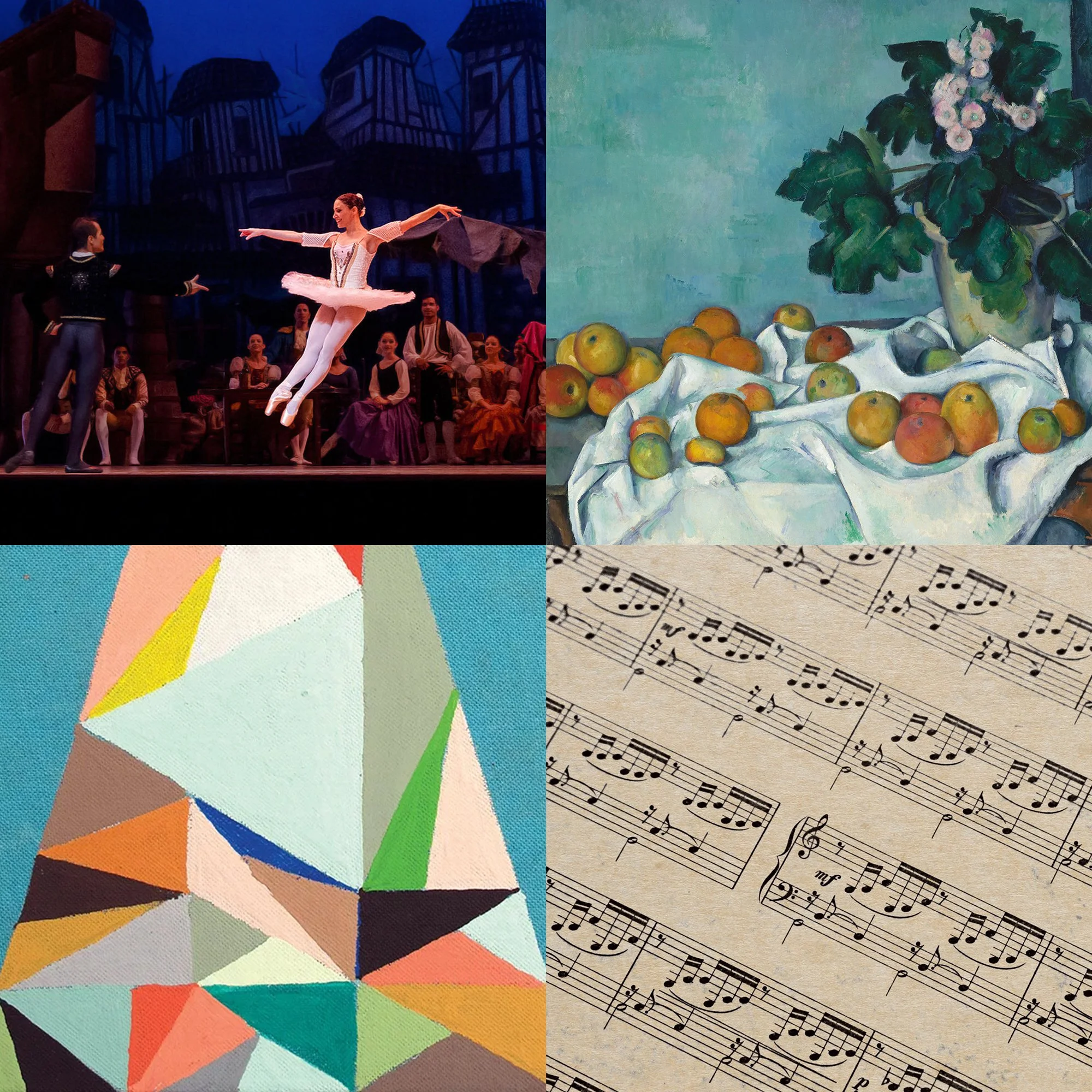
Research in the psychology of the arts spans inquiry across diverse artistic domains including visual arts, music, literature, dance, theatre, film, digital art forms, and traditional crafts. This interdisciplinary field examines artistic development, the psychology of artistic performance and creation, aesthetic appreciation of the arts, and the social and cultural contexts that shape creative artistic expression. Research occurs in various settings from performance venues and museums to schools and experimental labs, investigating topics such as problem finding, emotional engagement, artist traits and individual differences, flow experiences, collaborative improvisation, and arts education outcomes.
-
-
-
American Psychological Association Division 10 Annual Conference
European Society for the Cognitive Sciences of Music (ESCOM) Triennial Conference
Cognitive Futures in the Arts and Humanities
International Association of Empirical Aesthetics (IAEA) Biennial Congress
International Conference on Music Perception and Cognition (ICMPC)
Creative Arts Therapies
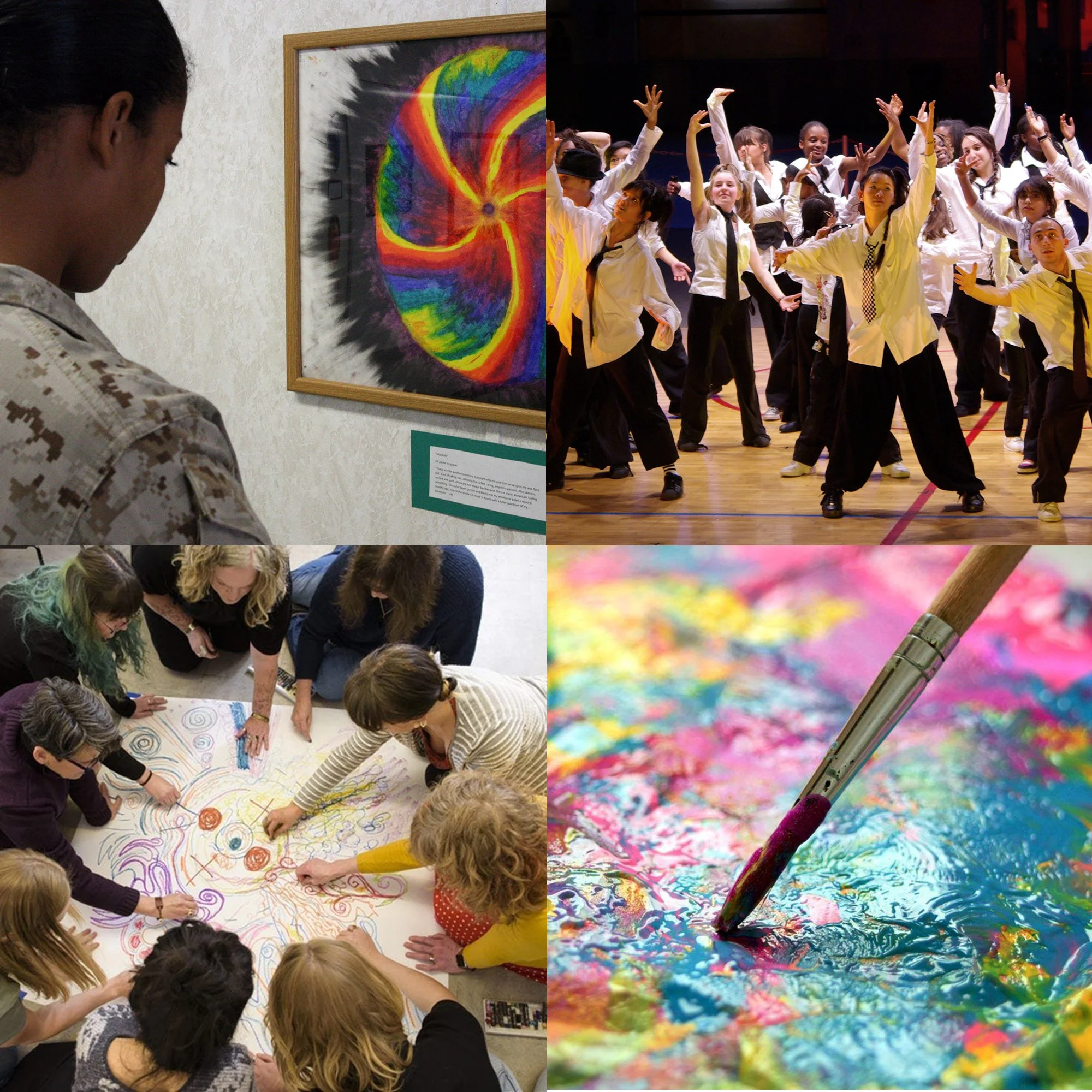
Research on Creative Arts Therapies (CATs) examines their effectiveness across disciplines, including art therapy, dance movement therapy, drama therapy, music therapy, poetry or bibliotherapy, and psychodrama. CATs are applied across clinical, rehabilitative, educational, and community settings, among individuals of all ages. Mechanistic research investigates key therapeutic change factors in arts-based processes, including spontaneity, playfulness, concretization, meaning-making, embodiment, aesthetic distance, and neurophysiological pathways.